How to Exercise Through Perimenopause and Menopause
If you're in your forties or fifties and feel like your body has suddenly changed the rules on you — the sleep, the mood swings, the stubborn weight around the middle, the workouts that used to work and suddenly don't — I want you to hear this clearly: you are not broken, and you are not doing it wrong. You're going through one of the most significant transitions of your life, and almost nobody prepared you for it.
I've walked alongside so many women through perimenopause and menopause, and the same theme comes up again and again: confusion. Confusion about what's happening, why the old approach stopped working, and what to actually do about it. So let's clear some of that up. Because the truth is, movement is one of the most powerful tools you have during this season — you just have to use it a little differently than you did in your twenties and thirties.
Free Protein Cheat Sheet
Your daily protein target, the protein in 40+ everyday foods, and 25 easy high-protein snacks — all on one printable page.
🔒 No spam, ever. Unsubscribe anytime.
What's Actually Happening During Perimenopause and Menopause
Perimenopause is the years-long lead-up to menopause, when your hormones — particularly estrogen and progesterone — begin fluctuating unpredictably. It can start in your late thirties or forties and last anywhere from a few years to a decade. Menopause itself is officially the point when you've gone twelve months without a period. Everything after is post-menopause.
These hormonal shifts affect far more than your menstrual cycle. Estrogen influences muscle, bone, mood, sleep, fat storage, and how your body handles blood sugar. As it declines, you may notice muscle feels harder to build, fat settles more around your abdomen, recovery takes longer, sleep becomes lighter, and your mood feels less predictable. None of this is a personal failing. It's biology.
Here's the empowering part: exercise directly addresses nearly every one of these changes. Not as a magic cure, but as a genuinely effective way to feel more like yourself again.
Why Strength Training Becomes Your Best Friend
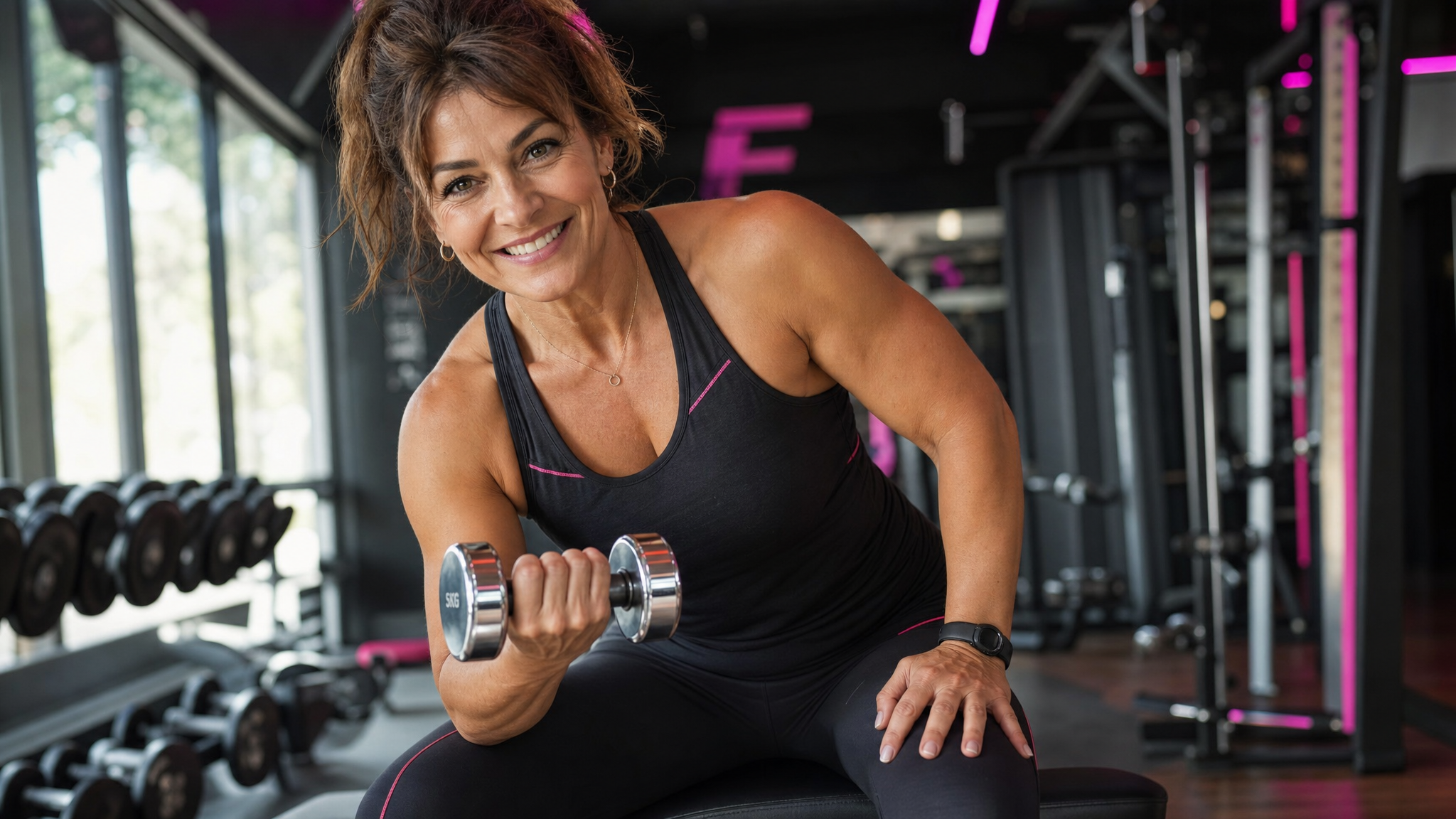
If there's one shift I want you to make during this stage, it's this: prioritise strength training. As estrogen drops, so does your ability to maintain muscle and bone density. Left unaddressed, this accelerates the loss of the very tissue that keeps you strong, mobile, and metabolically healthy.
Lifting weights signals your body to hold on to muscle and bone. It supports a healthier metabolism at a time when it naturally wants to slow. It improves insulin sensitivity, which helps manage that midsection weight gain so many women struggle with. And it does something the scale can't measure — it makes you feel capable and powerful in a body that's been feeling unfamiliar.
You don't need to spend hours in the gym. Two to three focused strength sessions a week, working all your major muscle groups with challenging but manageable weights, is enough to change how you feel and function.
Rethinking Cardio: Less Punishment, More Purpose
Many women respond to menopausal weight changes by doing more cardio — longer runs, more intense classes, pushing harder and harder. I understand the instinct, but during this stage it often backfires. Excessive high-intensity cardio can spike cortisol, your stress hormone, which is already prone to running high during menopause. Chronically elevated cortisol encourages fat storage, disrupts sleep, and leaves you feeling wired but tired.
That doesn't mean cardio is bad — it's wonderful for your heart, mood, and energy. It just means being intentional. Prioritise walking, which is remarkably underrated for managing weight, stress, and blood sugar. Add a couple of shorter, purposeful higher-intensity sessions if you enjoy them, but let strength training be the foundation, not an afterthought.
The Underrated Power of Recovery
During perimenopause and menopause, recovery isn't a luxury — it's part of the training. Lower estrogen means your muscles repair more slowly and you're more prone to feeling run down if you constantly push without rest.
This is where so many women go wrong. They assume that if they're not sore and exhausted, they're not working hard enough. In reality, adequate rest between sessions, quality sleep, and managing stress are what allow your training to actually pay off. Prioritise sleep like it's a workout. Build in genuine rest days. Consider gentle movement like stretching, mobility work, or yoga to support your nervous system.
Managing Symptoms Through Movement
Let's talk about specific symptoms, because movement genuinely helps with many of them. Regular exercise can reduce the frequency and intensity of hot flushes for some women. It's one of the most effective natural tools for improving sleep quality. It significantly supports mood, easing the anxiety and low moods that hormonal fluctuations can trigger, thanks to the endorphins and sense of accomplishment that come with a good session.
Strength and balance work also protect against the increased risk of falls and fractures that come with declining bone density. And weight-bearing movement helps maintain the joint health and mobility that keep you active and independent for decades to come.
Nutrition Deserves a Mention Too
I can't talk about training through menopause without touching on food. Your protein needs actually increase during this stage, because your body becomes less efficient at using it to build and maintain muscle. Aim to include a good source of protein at every meal. Prioritise fibre, colourful vegetables, and enough overall food to fuel your training — under-eating during menopause is far more common, and far more harmful, than most women realise.
You don't need a restrictive diet. You need enough nourishment to support a body that's working hard to adapt.
Be Patient and Kind With Yourself
Perhaps the most important thing I can tell you is this: results may come a little more slowly than they once did, and that's okay. Your body is navigating a profound change. Consistency matters more than intensity. Showing up three times a week, month after month, will always beat punishing yourself for two weeks and burning out.
This isn't a season to fight your body. It's a season to work with it — to build strength, protect your bones, support your mind, and prove to yourself that this chapter can be one of your strongest yet.
The Her Strong Era Approach
Everything I build at Her Strong Era is designed with this stage of life in mind. Smart, progressive strength training. Movement that energises rather than depletes. Real food, not deprivation. Recovery treated as essential, not optional.
Menopause is not the end of your strong years. For so many of the women I work with, it's the beginning of them. You get to decide how you move through it — and I promise you, choosing to build strength is one of the best decisions you'll ever make.
Free Protein Cheat Sheet
Your daily protein target, the protein in 40+ everyday foods, and 25 easy high-protein snacks — all on one printable page.
🔒 No spam, ever. Unsubscribe anytime.
Want personalised help with this?
My 1:1 online coaching gives you a fully custom training and nutrition plan built around your goals, your body, and your life. 12 weeks, $69/week, with me in your corner the whole way.
Learn About CoachingFree 7-Day Fat Loss Meal Plan
A printable week of protein-forward meals, shopping list, meal prep guide and tracker — designed for women over 40.