Dumbbell Exercises for Beginners: 5 Moves Every Woman Over 40 Should Master
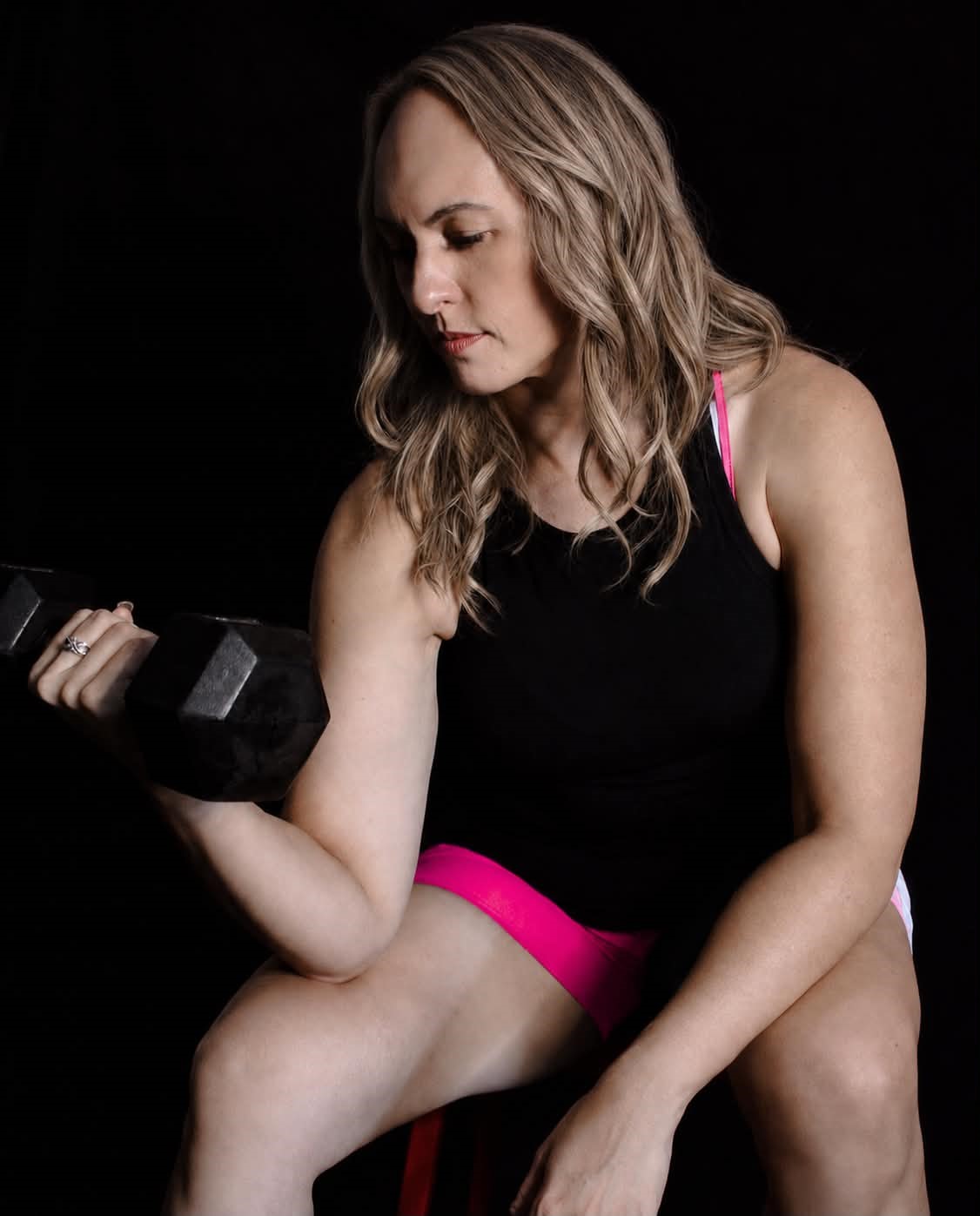
Let me tell you about the moment so many women light up in front of me. It's the first time they pick up a pair of dumbbells, complete a set with proper form, and realise — "Oh. I can actually do this." There's a little flicker of surprise, then a big smile. Because for years they'd been told that lifting weights was complicated, dangerous, or somehow "not for them." None of that is true. And I'd love to gently walk you through why dumbbells might just become your favourite thing.
If you're a woman over 40 who has never touched a weight, or who hasn't in a very long time, this is for you. No jargon, no intimidation — just a warm, honest guide to getting started with the most beginner-friendly tool in fitness.
Free 7-Day Beginner Strength Plan
Three simple full-body dumbbell workouts with form cues, warm-ups and rest days built in — designed for women over 40.
🔒 No spam, ever. Unsubscribe anytime.
Why dumbbells are perfect for women over 40
Here's the thing I want you to really take in: after 40, we naturally begin to lose muscle each year — a process called sarcopenia. And as our oestrogen declines through menopause, our bones can lose density too. Strength training with dumbbells directly fights both of these. It's not vanity. It's one of the most powerful things you can do to stay strong, independent and capable for decades to come.
Dumbbells in particular are wonderful because:
- They're accessible — a single pair fits in a cupboard and costs very little.
- They're forgiving — each arm works independently, so your stronger side can't take over, which builds balanced strength.
- They're scalable — you start light and add weight as you grow stronger.
- They build real-life strength — lifting shopping, grandchildren, suitcases suddenly feels easier.
- They protect your bones and joints — gently loading them is exactly what keeps them strong.
Will lifting make me bulky? (No.)
Let's retire this myth once and for all. Women simply don't have the testosterone levels to build large, bulky muscles easily. What strength training actually gives you is a firmer, more toned, more capable body — and a faster metabolism, because muscle burns more energy at rest. You will look strong and feel strong. Not bulky. I promise.
What weights should I start with?
My advice is to start lighter than you think, then progress. For most women beginning out, a good starting point is:
- Lighter dumbbells (2–4 kg) for smaller movements like shoulder raises and bicep curls.
- Slightly heavier (4–8 kg) for bigger movements like squats and rows.
The right weight is one where the last two or three repetitions feel challenging but you can still keep good form. If you can breeze through all your reps easily, it's time to go a little heavier. Adjustable dumbbells are a lovely space-saving option if you'd rather not buy several pairs.
Five beginner dumbbell exercises to build your foundation
1. Goblet squat
Hold one dumbbell vertically against your chest with both hands. Stand with feet a little wider than hip-width, then sit back and down as if lowering into a chair, keeping your chest tall. Push through your heels to stand. This builds strong legs and glutes — the foundation of everything.
2. Bent-over row
With a dumbbell in each hand, hinge forward from your hips with a flat back, knees softly bent. Pull the weights up towards your waist, squeezing your shoulder blades together, then lower with control. Wonderful for your back, posture and the muscles that counteract all our forward-hunching.
3. Shoulder press
Sitting or standing tall, hold a dumbbell at each shoulder. Press them up overhead until your arms are straight, then lower slowly. This builds strong, capable shoulders — the ones that lift things onto high shelves without strain.
4. Romanian deadlift
Hold the dumbbells in front of your thighs. With soft knees, hinge at your hips and slide the weights down the front of your legs, feeling a stretch in your hamstrings, then squeeze your glutes to stand tall. Fantastic for the back of your body and everyday bending.
5. Bicep curl
Standing tall with a dumbbell in each hand, palms facing forward, curl the weights up towards your shoulders, then lower slowly. A simple, satisfying move for stronger arms — and yes, it feels wonderful to build a bit of definition.
How to put it together
You don't need anything complicated. A brilliant beginner approach:
- Do this 2–3 times a week, on non-consecutive days to allow recovery.
- Aim for 2–3 sets of 10–12 repetitions of each exercise.
- Rest 30–60 seconds between sets.
- Always warm up first with a few minutes of marching, arm circles and gentle movement.
The whole session might take 30–40 minutes. And here's the beautiful part — as you get stronger, you simply add a little weight or an extra repetition. That gradual increase is called progressive overload, and it's the secret to steady, lasting results.
Form first, always
If there's one thing I want you to remember, it's that good form beats heavy weight every single time. Move slowly and with control. Keep your core gently engaged. Never sacrifice technique to lift something heavier — that's how injuries happen. It's perfectly fine, and actually wise, to practise a movement with very light weights or none at all until it feels natural. If anything ever causes sharp pain, stop and reassess.
You are strong enough to start
I've watched women in their 50s, 60s and 70s pick up dumbbells for the first time and completely transform how they feel in their bodies — not just physically, but in their confidence. There's something deeply empowering about getting stronger. It changes the story you tell yourself about what you're capable of.
So please don't wait until you feel "ready" or "fit enough." You get fit by starting, not before. Grab a pair of light dumbbells, pick two or three of these moves, and simply begin. Your future self — lifting her own suitcase into the overhead locker with a quiet smile — will thank you. 💛
Free 7-Day Beginner Strength Plan
Three simple full-body dumbbell workouts with form cues, warm-ups and rest days built in — designed for women over 40.
🔒 No spam, ever. Unsubscribe anytime.
Want personalised help with this?
My 1:1 online coaching gives you a fully custom training and nutrition plan built around your goals, your body, and your life. 12 weeks, $69/week, with me in your corner the whole way.
Learn About CoachingFree 7-Day Fat Loss Meal Plan
A printable week of protein-forward meals, shopping list, meal prep guide and tracker — designed for women over 40.