Simple Nutrition Habits That Actually Work After 40
Let's be honest — most diets are designed to fail. They're too restrictive, too complicated, and they completely ignore the hormonal and metabolic changes happening in your body after 40. They promise quick results and deliver short-term suffering followed by long-term frustration.
I've been there. I've tried the calorie counting, the elimination diets, the meal replacement shakes. And every single time, the same thing happened: I'd follow the plan perfectly for a few weeks, eventually fall off, feel guilty, and start the whole cycle again.
What finally worked wasn't another diet. It was building a handful of simple, sustainable habits that fit into my actual life. No perfection required. No foods off-limits. Just practical strategies that work with my body, not against it.
Here are the nutrition habits that have genuinely changed how I eat, feel, and perform — and they can do the same for you.
Free 7-Day Fat Loss Meal Plan
A printable week of protein-forward meals, shopping list and meal prep guide — designed for women over 40.
🔒 No spam, ever. Unsubscribe anytime.
1. Put Protein First at Every Meal
If there's one nutritional change that makes the biggest difference after 40, it's eating more protein. And I don't mean protein shakes for breakfast, lunch, and dinner. I mean making protein the centrepiece of every real meal you eat.
After 40, your body becomes less efficient at using dietary protein to build and repair muscle — a process called anabolic resistance. This means you actually need more protein than you did in your twenties and thirties to get the same muscle-building benefit.
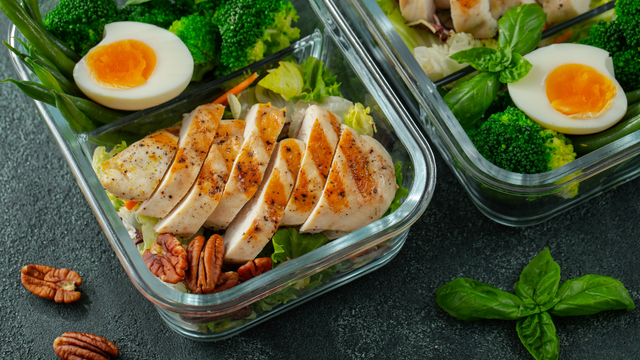
Aim for 25 to 35 grams of protein per meal, spread across the day. That looks like a palm-sized portion of chicken, fish, eggs, Greek yoghurt, tofu, or legumes at each sitting. It doesn't have to be complicated. A couple of eggs on toast with some cottage cheese on the side? That's a solid protein-first breakfast.
When you prioritise protein, you naturally feel fuller for longer, your blood sugar stays more stable, and you give your muscles what they need to recover from your training. It's a win on every level.
2. Eat Whole Foods, Not Rigid Rules
I'm not going to tell you to cut out sugar, avoid gluten, or never eat processed food again. That kind of all-or-nothing thinking is exactly what makes diets fail.
Instead, focus on building your meals around whole, minimally processed foods most of the time. Vegetables, fruits, lean proteins, whole grains, nuts, seeds, and healthy fats. These foods provide the vitamins, minerals, fibre, and phytonutrients your body needs — especially during the hormonal shifts of perimenopause and menopause.
The key word is "most." If 80 percent of what you eat is nutritious and satisfying, the other 20 percent can be whatever you enjoy. Birthday cake? Have a slice. Wine with dinner on Friday? Enjoy it. A chocolate biscuit with your afternoon tea? Life's too short to say no.
Rigid rules create rebellion. Flexible guidelines create consistency. And consistency is everything.
3. Don't Fear Carbs — Fuel Your Training
Somewhere along the way, carbohydrates became the villain of every diet story. And it's rubbish. Your body needs carbs, especially if you're strength training.
Carbohydrates are your muscles' preferred fuel source during exercise. They support brain function, regulate sleep, and play a role in serotonin production — which directly affects your mood. Cutting them drastically can leave you foggy, flat, irritable, and unable to push hard in your workouts.
The type and timing of carbs matter more than the quantity. Choose whole grains like oats, brown rice, quinoa, and sweet potatoes. Pair them with protein and healthy fats to slow digestion and keep your energy steady. And if you're training that day, make sure you're fuelling appropriately — your body can't build muscle on an empty tank.
Carbs aren't the enemy. Under-fuelling is.
4. Hydrate Before You Reach for Snacks
This sounds almost too simple to be useful, but it genuinely works. So many of us walk around mildly dehydrated without realising it. And mild dehydration can masquerade as hunger, fatigue, headaches, poor concentration, and even joint stiffness.
Before you reach for a snack between meals, drink a full glass of water and wait 10 to 15 minutes. Often, the craving passes because what your body actually needed was hydration, not food.
Aim for at least 2 litres of water per day — more if you're training, in warm weather, or drinking coffee (which has a mild diuretic effect). Herbal teas count. Sparkling water counts. You don't have to force down plain water if you don't enjoy it.
I keep a water bottle at my desk, in my car, and next to my bed. Making it visible makes it habitual. And habits are what drive results.
5. Build Meals You'll Actually Repeat
One of the biggest myths in the wellness world is that you need variety at every meal. You don't. In fact, having a rotation of 5 to 7 meals that you genuinely enjoy, that are easy to prepare, and that hit your nutritional goals is one of the most effective strategies for long-term consistency.
Think about it: decision fatigue is real. If you have to decide what to eat from scratch three times a day, every day, you'll eventually default to whatever's easiest — which usually isn't the most nourishing option.
Instead, find your staples. Maybe it's eggs and avocado toast for breakfast, a big chicken salad for lunch, and salmon with roasted vegetables for dinner. Maybe it's overnight oats, a turkey wrap, and a stir-fry. Whatever works for your life, your taste buds, and your schedule.
Meal prep on a Sunday doesn't have to be an Instagram production. It can be as simple as cooking extra chicken, chopping vegetables, or batch-cooking a big pot of soup. An hour of preparation saves you from a week of scrambling.
6. Stop Eating for Punishment and Start Eating for Performance
This is the mindset shift that changed everything for me, and it's the one I see making the biggest difference in the women I work with.
When you're dieting, food becomes the enemy. You're constantly thinking about what you can't have, counting calories like a maths exam, and feeling guilty every time you eat something "bad." That relationship with food is exhausting and unsustainable.
When you shift to eating for performance — to fuel your training, support your recovery, nourish your body, and feel energised — everything changes. Food becomes your ally. You start choosing the chicken and veg because you know it'll make tomorrow's workout feel strong, not because some plan told you to.
You stop moralising food. There's no "good" or "bad." There's just food that serves your goals and food that serves your soul, and you need both.
A Note on Supplements
I get asked about supplements constantly, so here's my honest take: they're supplements, not substitutes. If your diet is solid, you probably don't need much. But there are a few worth considering after 40:
- Vitamin D: Especially if you live somewhere with limited sun exposure. It supports bone health, immune function, and mood.
- Magnesium: Helps with sleep, muscle recovery, and stress management. Many women are deficient.
- Omega-3 fatty acids: Anti-inflammatory and supportive of heart and brain health. If you're not eating oily fish 2 to 3 times a week, consider a supplement.
- Protein powder: Not essential, but convenient if you struggle to hit your protein targets through food alone. Choose a high-quality whey or plant-based option.
Always check with your healthcare provider before starting any new supplement, especially if you're on medication.
The Bottom Line
Nutrition after 40 doesn't need to be complicated. It needs to be consistent, realistic, and built around your life — not someone else's meal plan. Put protein first. Eat real food most of the time. Stay hydrated. Find meals you enjoy repeating. And above all, eat to fuel your strong era, not to punish yourself for existing.
Small habits, repeated daily, create massive change over time. You don't need to overhaul your entire diet tomorrow. Just pick one habit from this list and start there. The rest will follow.
Free 7-Day Fat Loss Meal Plan
A printable week of protein-forward meals, shopping list and meal prep guide — designed for women over 40.
🔒 No spam, ever. Unsubscribe anytime.
Want personalised help with this?
My 1:1 online coaching gives you a fully custom training and nutrition plan built around your goals, your body, and your life. 12 weeks, $69/week, with me in your corner the whole way.
Learn About CoachingFree 7-Day Fat Loss Meal Plan
A printable week of protein-forward meals, shopping list, meal prep guide and tracker — designed for women over 40.